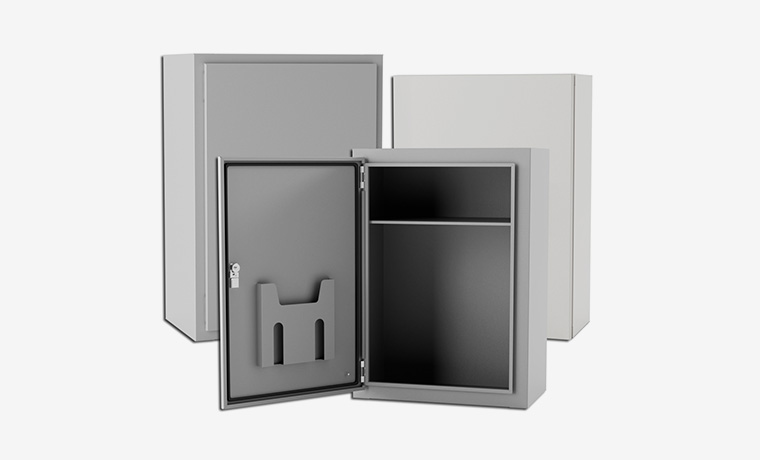
Customized according to needs, optional Material, Door & Lock etc.
Contact Us NowHome / News / Industry news
Industry news
Jun 21,2026
By:Shinging
Healthcare is changing quickly. There is a strong push for sustainability. Environmental problems are now a big concern. Hospitals and clinics want to lower their environmental impact. They also want to keep good care for patients. One important area is eco‑friendly medical equipment cabinet enclosures. These boxes hold expensive devices. They keep them safe. They also help make healthcare more green.
Shinging Technology Co., Ltd. is a company with 17 years of experience. We are leaders in this area. We make custom metal products. We work from your needs or from your drawings. We know how to do stainless steel work, metal stamping, sheet metal bending, electrical assembly, wiring, die‑casting, and injection molding. This article talks about green options for medical equipment cabinet enclosures. We give useful tips for healthcare managers.
Why Healthcare Is Going Green
Hospitals use a lot of energy. They also use many materials and produce much waste. Reports show that hospitals in the U.S. create about 8% of all greenhouse gases. This large effect has pushed the industry to change. Sustainability is now part of daily operations.
How Storage Helps the Environment
Medical equipment cabinet enclosures play a key role. They hold sensitive tools for diagnosis and treatment. They protect these tools and keep them within reach. When hospitals use green materials and processes, they reduce their environmental harm. At the same time, they keep their work smooth and effective.
Green Materials for Medical Equipment Cabinet Enclosures
Stainless Steel – The Best Choice
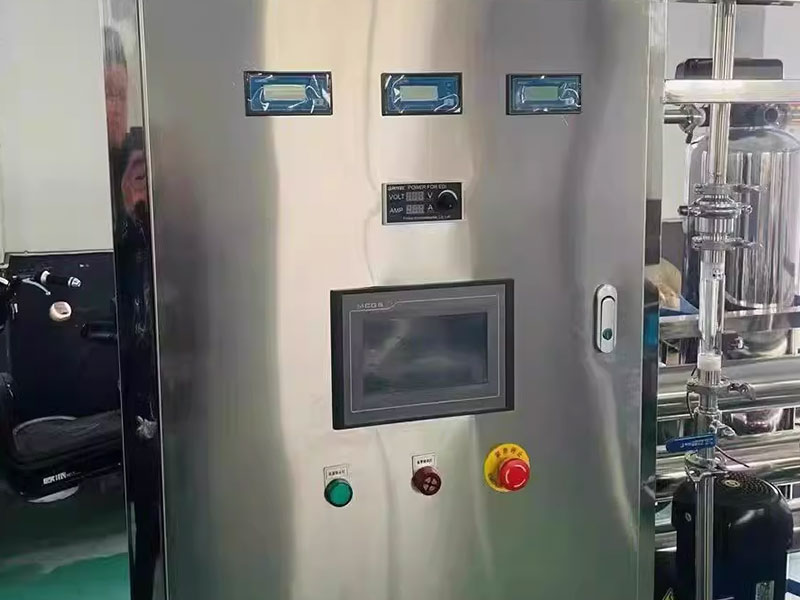
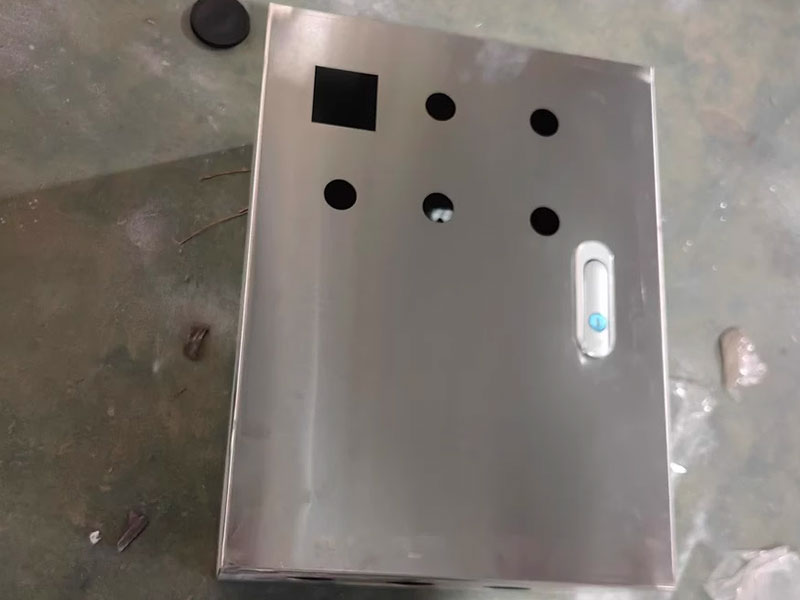
Stainless steel is excellent for medical storage. It is strong, resists rust, and can be recycled. At Shinging, we make stainless steel cabinets. They handle tough hospital conditions. They also have a low environmental cost.
Good points:
It is 100% recyclable. You can reuse it many times without losing quality.
It lasts a very long time. So you do not need to change it often.
It is easy to clean. You use less water and fewer chemicals.
Aluminum Alloys – Light and Green
For lighter cabinets, aluminum alloys are a good option. They give:
High strength for their weight. This lowers fuel use during shipping.
Good rust resistance. This helps them last longer.
Full recyclability. Recycling aluminum needs only 5% of the energy used to make new aluminum.
Recycled Plastics – New Mixed Materials
New plastic technologies have created strong composites with recycled plastics. These materials offer:
Less use of new plastic. This cuts the carbon footprint.
Changeable properties. You can design them for different needs.
Light weight. This makes them easier to move and install.
How We Make Green Cabinets
Precision Sheet Metal Work
Our sheet metal process makes complex cabinet designs with very little waste. CNC machines cut with high accuracy. This reduces scrap and saves material.
Die‑Casting for Complex Parts
For detailed cabinet pieces, die‑casting is efficient. This method:
Wastes little metal. Extra metal can be melted and reused.
Makes parts close to the final shape. This reduces extra machining.
Allows complicated shapes. This helps make space‑saving designs.
Injection Molding for Plastic Parts
When we use recycled plastics, injection molding gives:
Fast production. This lowers energy use per piece.
Steady quality. This ensures reliable performance in hospitals.
Flexible design. We can add ergonomic features and cable organizers.
Design Features That Save Energy
Controlling Heat
Good heat control cuts energy use in hospitals. Our cabinets can include:
Passive cooling, such as vents and heat sinks placed in good spots.
Active cooling, like efficient fans or liquid systems.
Insulation from recycled foam or aerogel. This keeps temperature stable.
Modular and Expandable Designs
Flexible systems can adapt as hospital needs change. This prevents early replacement. Key features are:
Panels that you can swap out. This makes changes easy.
Frames that you can extend. You can add more equipment later.
Standard parts. This makes repairs and replacements simple.
A Real Example: A Green Hospital Project
A large hospital network started a full green program. They included eco‑friendly medical equipment cabinets.
What they used:
Stainless steel cabinets with recycled material.
Aluminum‑framed cabinets for mobile diagnostic units.
Energy‑efficient cooling built into the cabinets.
What they achieved:
They cut material waste during production by 32%.
They reduced energy use in storage areas by 18%.
Their storage solutions lasted 25% longer than older models.
Clinical staff said the workspace was better organized.
Practical Steps for Hospitals
Check your current storage.
Look at what you have now. Ask: What materials do we use? How long do our cabinets last? How much energy do we spend on keeping storage conditions right?
Choose recyclable and recycled materials.
When you order new cabinets, ask for:
A minimum percentage of recycled content.
A take‑back or recycling program from the maker.
Clear documents about the materials.
Use space wisely.
Work with the maker to design cabinets that:
Hold more items in less space.
Have modular parts.
Can be changed easily when needs change.
Add smart sensors.
Put IoT sensors in the cabinets. They can:
Track how often equipment is used.
Check temperature and humidity.
Help adjust energy use for storage areas.
What the Future Holds
Circular Economy Ideas
Healthcare is moving toward circular systems. Products are designed for:
Long life and easy repair.
Simple take‑apart for recycling.
Recovery of materials at the end of their life.
Biophilic Design Elements
Future cabinets may include:
Natural materials with less environmental harm.
Designs that improve staff wellbeing.
Parts that break down naturally if possible.
New Manufacturing Technologies
New methods like 3D printing offer:
Less material waste.
Production only when needed, so less stock.
Custom designs without big extra costs.
The outdoor micro data center enclosure market is growing very fast. It will grow from $1.68 billion in 2025 to $2.01 billion in 2026. That is a 20.1 ...
Sep 20,2026 / Industry news
AI data centers are growing very fast. They need much more power than older data centers. TrendForce says global data center power demand will reach 1...
Sep 18,2026 / Industry news
China's power grid is entering a historic investment cycle. The National Energy Administration and the National Development and Reform Commission ...
Sep 18,2026 / Industry newsOnline
Provider of Complete Metal Manufacturing Solutions
+86 18939857433
1188 Jiu Ye Road, Shanghai, China
11561 N Lamar Blvd,Austin,Texas,United States of America,78753
Gyeongin-ro 56-gil 8, ,3F jjbeauty,Guro-gu,Seoul,Guro-gu,Seoul,Republic of Korea
Top
Copyright © 2025 Shinging Technology Co., Ltd.,
Power By Bontop
 English
 Spanish
 Portuguese
 Arabic
 Korean
 Japanese