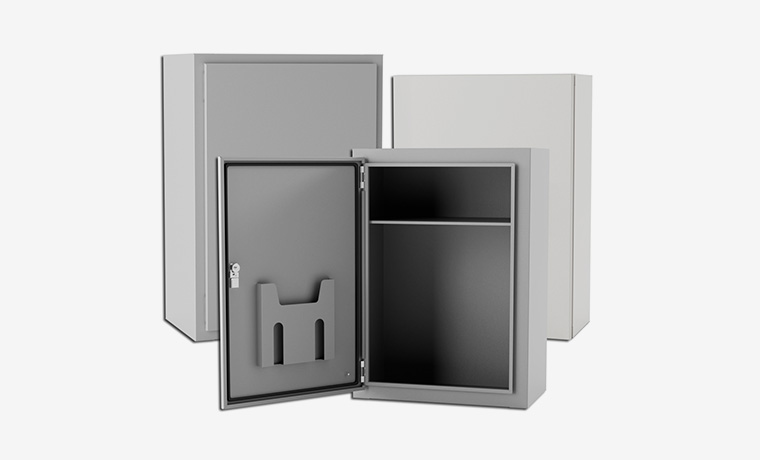
Customized according to needs, optional Material, Door & Lock etc.
Contact Us NowHome / News / Industry news
Industry news
Jun 28,2026
By:Shinging
In healthcare, infection control is a top priority. Hospitals and clinics always look for new ways to keep patients safe. They also try to lower the number of infections that people get in the hospital. These are called hospital‑acquired infections, or HAIs. One new solution that gets a lot of attention is the MRI machine enclosure. These enclosures do two important jobs. They protect the expensive MRI equipment. They also help stop the spread of germs.
Shinging Technology Co., Ltd. has 17 years of experience. We make many different metal products for our customers. Our services include stainless steel manufacturing, metal stamping, sheet metal fabrication, electrical assembly, wiring, die‑casting, and injection molding. This article looks at how MRI machine enclosures affect infection control in hospitals. It also gives practical advice for business people who work in healthcare.
What is an MRI machine enclosure?
An MRI machine enclosure is a special structure. It holds the MRI scanner. This structure has several purposes. First, it protects the scanner from physical damage, dust, and other things in the environment. Second, it acts as a barrier against germs inside the MRI room. Third, it reduces the loud noise that the MRI machine makes. This makes patients more comfortable.
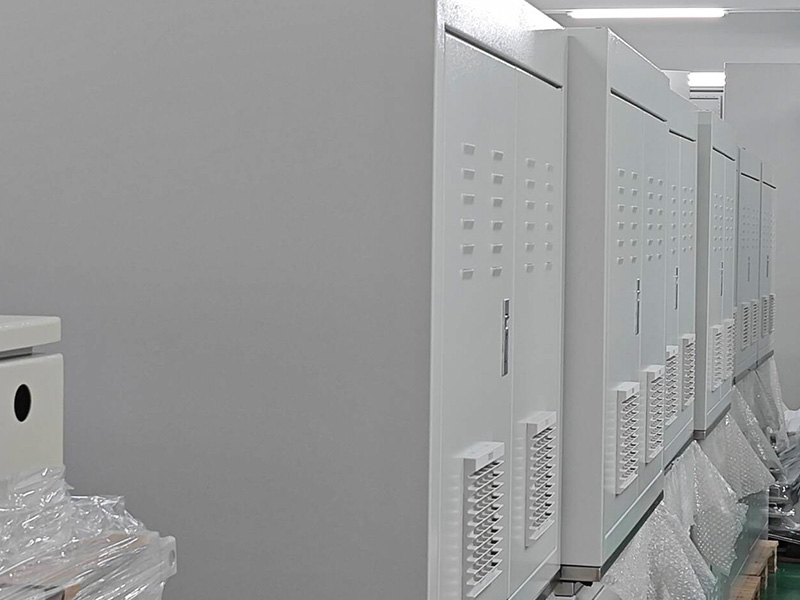
Types of MRI machine enclosures
There are a few common types.
Stainless steel enclosures: These are very strong and do not rust. They are a good choice for clean, sterile areas.
Aluminum enclosures: These are lighter in weight and cost less. They work well in many hospital settings.
Custom‑built enclosures: These are made to fit the specific needs of a hospital. They can have extra features for better infection control.
How MRI enclosures help with infection control
MRI rooms are high‑risk places. Many patients and staff move in and out all day. An MRI enclosure works like a physical wall. It lowers the chance that germs will get onto the machine or into the room.
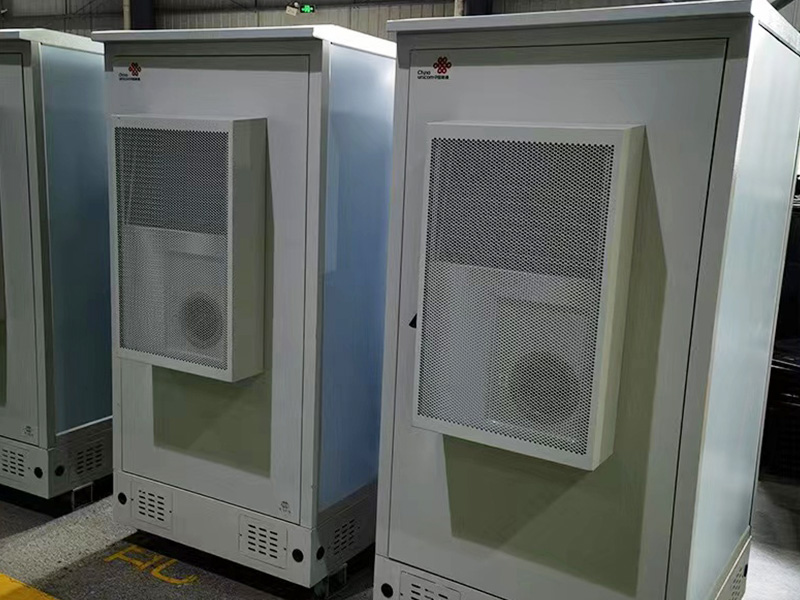
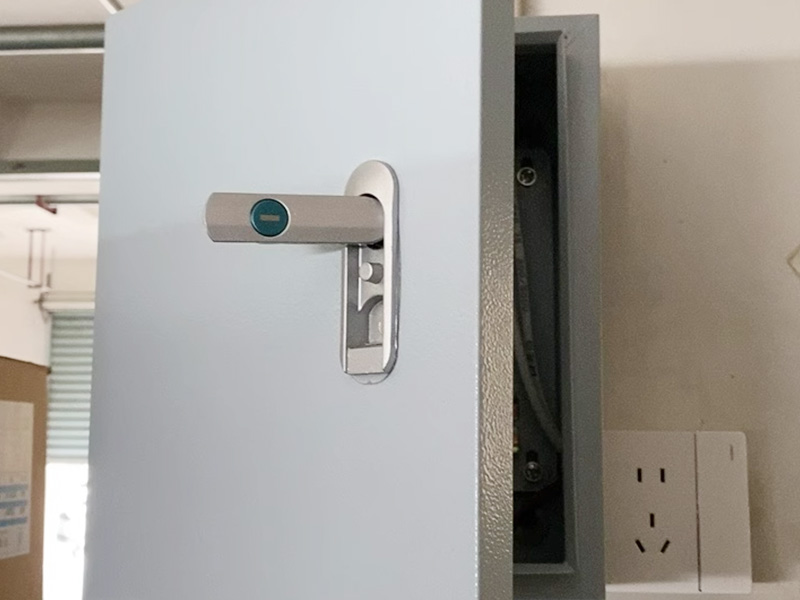
Our enclosures have smooth, seamless joints. There are no tiny gaps where bacteria can hide and grow. We use stainless steel and other materials that do not have pores. These surfaces are easy to clean and disinfect. So the room stays clean and safe.
Cross‑contamination is a major worry in hospitals. An MRI enclosure helps reduce this risk. It keeps patients from touching the machine directly. It also has access control systems. Only approved staff can enter the MRI suite. This adds another layer of safety.
Hospitals must follow strict rules about infection control. MRI enclosures help them meet these rules. Our designs comply with health authority standards. This ensures patient safety. We also provide detailed documents for each enclosure. These documents help with audits and inspections.
Real‑world examples
Case 1: A large city hospital
A big hospital installed stainless steel MRI enclosures in all its MRI rooms. The results were very good. Infections in those rooms dropped by 30%. Cleaning and disinfection became faster. So the hospital had less time between patient scans.
Case 2: A cancer center
A cancer center chose custom‑made MRI enclosures. They had specific infection problems. After installation, patients felt safer. They trusted the hospital's infection measures more. Patient satisfaction went up. The center also saved money because it needed fewer deep cleanings and fewer repairs.
Advice for business professionals
When you choose an MRI enclosure, consider these points.
Material: Pick a non‑porous material that does not rust. Stainless steel is a good option for infection control.
Customization: Work with a manufacturer like us. We can design an enclosure that fits your exact needs.
Compliance: Make sure the enclosure meets all relevant rules and standards.
To get the most out of your enclosure, follow these best practices.
Do regular checks and maintenance. Keep the enclosure in good condition.
Train your staff. Show them how to use and clean the enclosure properly.
Monitor infection rates. Check how well the enclosure works. Use that information to make improvements.
Future developments
New technology will make MRI enclosures even better. For example, some enclosures will have antimicrobial coatings. These coatings stop germs from growing on the surface. Smart sensors will also be added. They can check the room's temperature, humidity, and cleanliness. If there is a risk of contamination, the sensors will alert the staff.
Sustainability is also becoming more important. Future enclosures will use eco‑friendly and recyclable materials. They will also use less energy. This helps hospitals reach their environmental goals. As more countries build new healthcare facilities, the need for good, affordable MRI enclosures will continue to grow.
In summary, MRI machine enclosures are a key part of modern infection control. They protect both patients and equipment. They also help hospitals meet strict hygiene rules. Shinging Technology Co., Ltd. offers high‑quality, customizable metal solutions. With our 17 years of experience, we can help you choose the right enclosure for your facility. By understanding these enclosures and following good practices, you can improve patient care and make your operations more efficient. We are here to support you with innovative and reliable products.
A new compliance rule is changing how buyers source metal enclosure for access control products. Starting June 30, 2026, the U.S. Department of Defens...
Sep 21,2026 / Industry news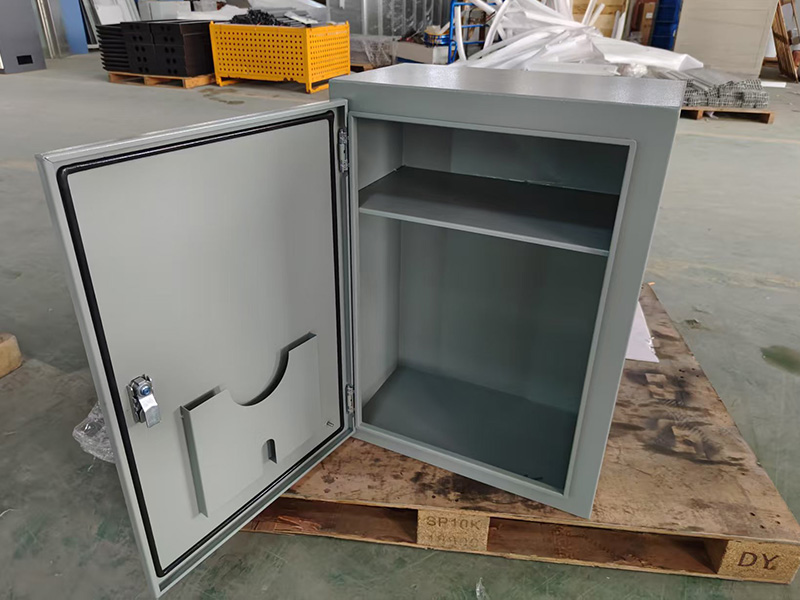
A new U.S. tariff rule is changing the game for Amazon sellers. On April 2, 2026, the White House signed a new order on steel, aluminum, and copper im...
Sep 21,2026 / Industry news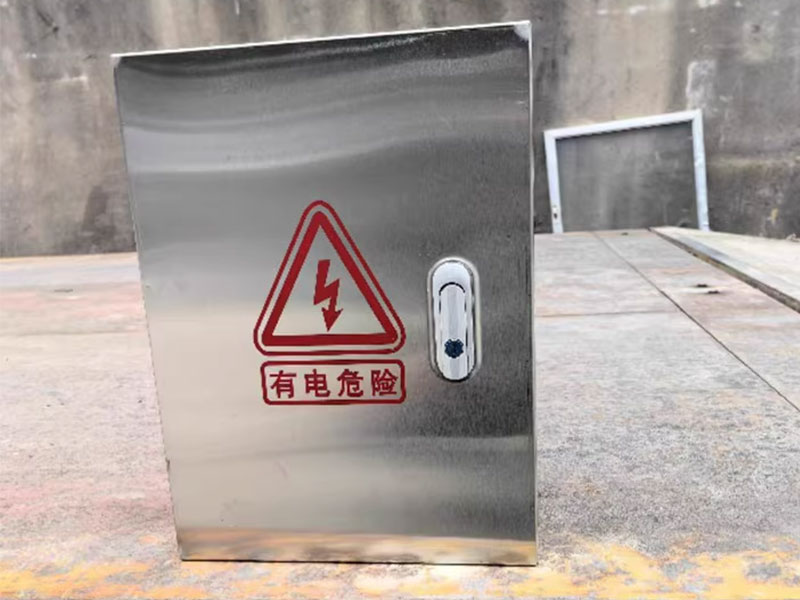
The outdoor micro data center enclosure market is growing very fast. It will grow from $1.68 billion in 2025 to $2.01 billion in 2026. That is a 20.1 ...
Sep 20,2026 / Industry newsOnline
Provider of Complete Metal Manufacturing Solutions
+86 18939857433
1188 Jiu Ye Road, Shanghai, China
11561 N Lamar Blvd,Austin,Texas,United States of America,78753
Gyeongin-ro 56-gil 8, ,3F jjbeauty,Guro-gu,Seoul,Guro-gu,Seoul,Republic of Korea
Top
Copyright © 2025 Shinging Technology Co., Ltd.,
Power By Bontop
 English
 Spanish
 Portuguese
 Arabic
 Korean
 Japanese