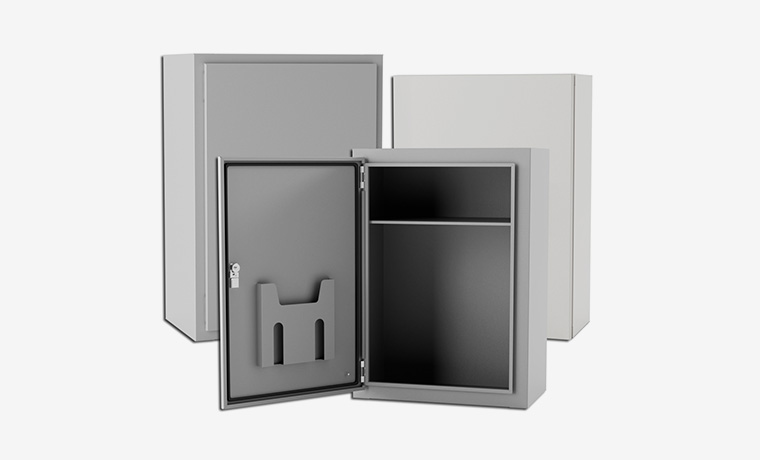
Customized according to needs, optional Material, Door & Lock etc.
Contact Us NowHome / News / Industry news
Industry news
Apr 20,2026
By:Shinging
Hydraulic systems are very important for many industrial jobs. For example, factories use them. Heavy machines also use them. These systems rely on fluid power. They need precise control to do their work. So their reliability and safety are very important. One part of hydraulic system safety is often forgotten. That part is the hydraulic system enclosure. This enclosure is a protective barrier. It shields the system from environmental dangers. One of those dangers is fire.
Fire resistance in hydraulic system enclosures is not just a rule you have to follow. It is a key part of reducing risk. Business professionals run industrial operations. For them, understanding fire-resistant enclosures is very important. A good enclosure can keep operations running. A bad one can lead to a big failure. This article looks at why fire resistance matters for hydraulic system enclosures. We also use insights from Shinging Technology Co., Ltd. This company has 17 years of experience. It makes metal manufacturing solutions.
The Importance of Hydraulic System Enclosures
What is a hydraulic system enclosure?
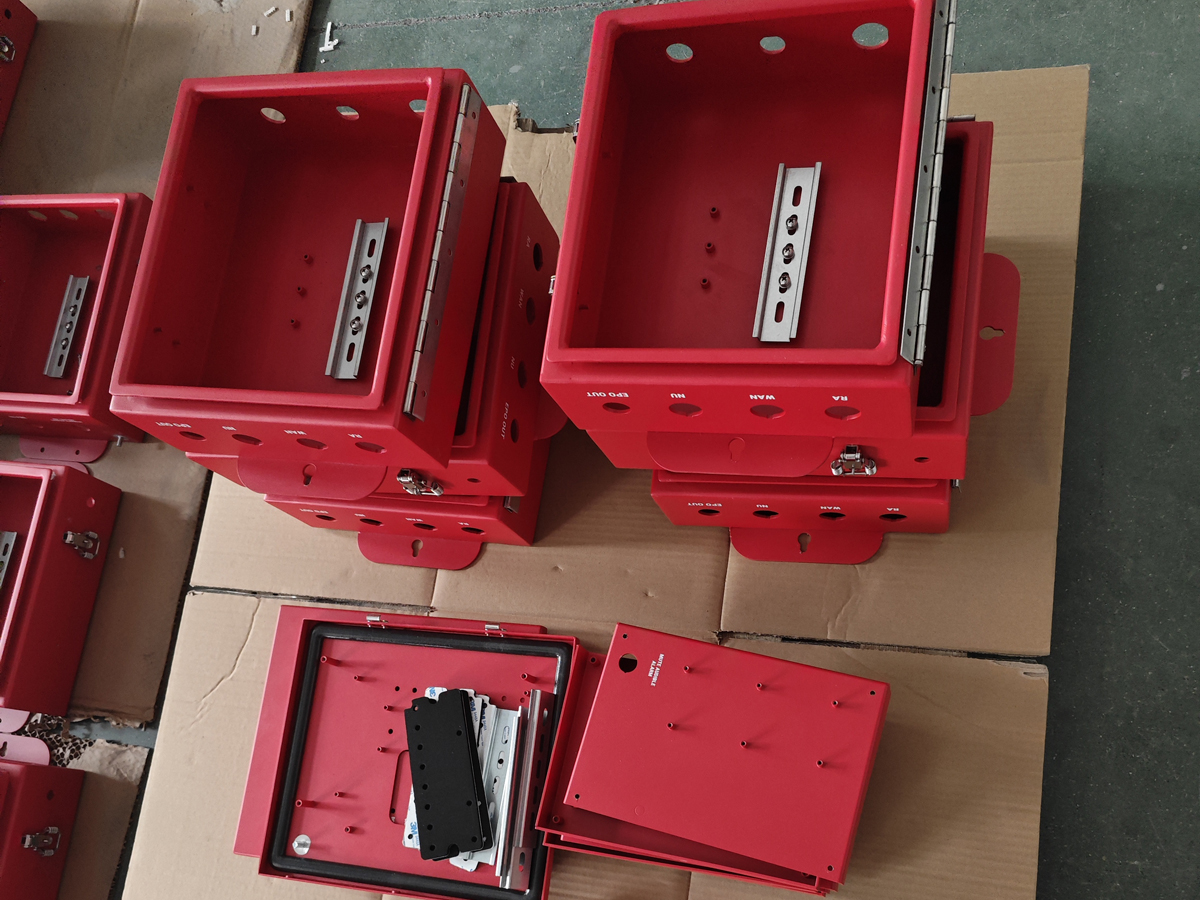
A hydraulic system enclosure is a protective box. It holds and protects hydraulic parts. These parts include pumps, valves, and reservoirs. The enclosure keeps outside dangers away. People usually make these enclosures from strong materials. For example, stainless steel, aluminum, or composite alloys. These materials are chosen for their strength. They also resist corrosion. And very importantly, they resist fire.
Why does fire resistance matter?
Fire is one of the most destructive things in industrial places. When a fire starts, it can damage hydraulic parts. It can also hurt the fluid inside. If the fluid can catch fire easily, the fire can even cause explosions. Fire-resistant enclosures act like a barrier. They keep flames inside. They stop the fire from spreading to other systems or buildings. This containment is very important for several reasons.
Protecting workers: Fire-resistant enclosures lower the risk of injury or death. They limit how much fire people are exposed to.
Less downtime: When the enclosure stops fire damage, operations can keep going. You avoid costly shutdowns.
Following the rules: Many industries must follow strict fire safety standards. For example, NFPA codes. These rules often require fire-resistant enclosures for hydraulic systems.
Fire Resistance: Key Considerations for Hydraulic System Enclosures
Material selection
The material you choose for the enclosure is very important. Shinging Technology Co., Ltd. makes enclosures from fire-resistant materials. Here are some examples.
Stainless steel: This material has a high melting point. It also resists oxidation. So it works well in high-temperature places.
Aluminum alloys: These are light but strong. They offer good fire resistance. People use them when weight is a concern.
Composite materials: These are advanced materials. For example, fiberglass-reinforced polymers (FRPs). They provide very good fire resistance and insulation.
Design and construction
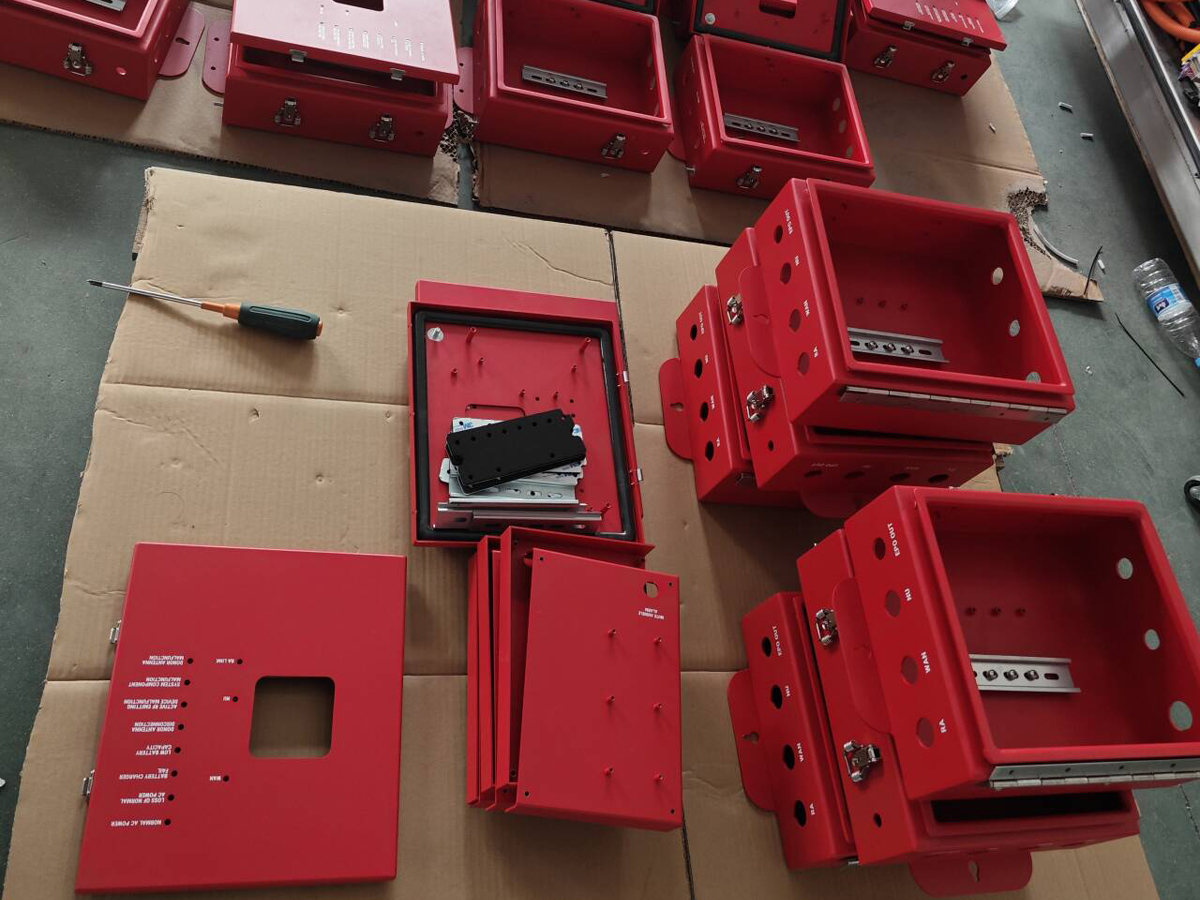
Fire-resistant enclosures must be built to handle heat stress. They also need to stop flames from getting through. Here are some key design features.
Seamless construction: You want few joints and seams. This reduces weak points where fire could break in.
Thermal insulation: You can add insulating materials. For example, ceramic fibers or intumescent coatings. These make the enclosure more fire-resistant.
Ventilation systems: The enclosure needs good ventilation. This stops heat from building up. But the vents must also stop flames. So they should be flame-arresting.
Testing and certification
To make sure enclosures meet fire safety standards, they need tough tests. Here are some common certifications.
UL 94: This test checks how flammable plastic materials are. These plastics may be used in enclosures.
ASTM E119: This test measures how long an enclosure can withstand fire.
NFPA 253: This test checks the fire resistance of flooring systems. This is useful for enclosures placed on industrial floors.
Case Study: Fire-Resistant Enclosures in Action
Scenario: A fire in a manufacturing plant
A mid-sized manufacturing plant had an electrical fire. The fire started in its hydraulic system room. An old pump had a short circuit. The fire quickly spread to nearby flammable materials. But the plant had recently upgraded its hydraulic system enclosures. They bought fire-resistant models from Shinging Technology Co., Ltd.
What happened
Containment: The fire-resistant enclosures kept the flames inside. The fire did not spread to other parts of the plant.
Minimal damage: Only the hydraulic system inside the enclosures was damaged. The other systems nearby were fine.
Quick recovery: The plant started running again within 48 hours. The undamaged infrastructure made that possible.
What we learned
This case shows why you should invest in fire-resistant enclosures. The plant planned ahead for safety. That protected workers and equipment. It also cut down financial losses.
Actionable Insights for Business Professionals
1. Do a fire risk assessment
First, check the fire risks in your facility. Find possible ignition sources. For example, electrical parts or overheating hydraulic pumps. Also see if flammable materials are nearby.
2. Pick the right enclosure material
Work with a good manufacturer like Shinging Technology Co., Ltd. They can help you pick materials that meet your fire resistance needs. Think about things like temperature ratings, corrosion resistance, and weight.
3. Focus on design and build quality
Make sure the enclosure is designed to contain fire. Look for features like seamless construction, thermal insulation, and flame-arresting vents.
4. Check the certifications
Always check that the enclosure meets fire safety standards. Ask for documents that show testing and certification.
5. Train your workers
Teach your team why fire-resistant enclosures are important. Also teach them emergency steps. Do regular drills. This helps everyone act fast if a fire starts.
Shinging Technology Co., Ltd.: Your Partner in Fire-Resistant Enclosures
Shinging Technology Co., Ltd. has 17 years of experience in metal manufacturing. We are a trusted maker of hydraulic system enclosures. Our enclosures are designed for fire resistance. Here are some of our skills.
Stainless steel manufacturing: We make strong, rust-resistant enclosures for harsh places.
Metal stamping: We make precision-stamped parts for custom enclosure designs.
Sheet metal fabrication: We make sheet metal enclosures that fit your exact needs.
Electrical assembly and wiring: We add electrical systems that work smoothly with the enclosure.
Die-casting and injection molding: We make light but strong enclosures for portable hydraulic systems.
Do you need a standard enclosure? Or a fully custom solution? Shinging Technology Co., Ltd. can deliver. Our team works closely with clients. We learn about their unique needs. Then we make sure every enclosure meets the highest standards of fire resistance and safety.
A new compliance rule is changing how buyers source metal enclosure for access control products. Starting June 30, 2026, the U.S. Department of Defens...
Sep 21,2026 / Industry news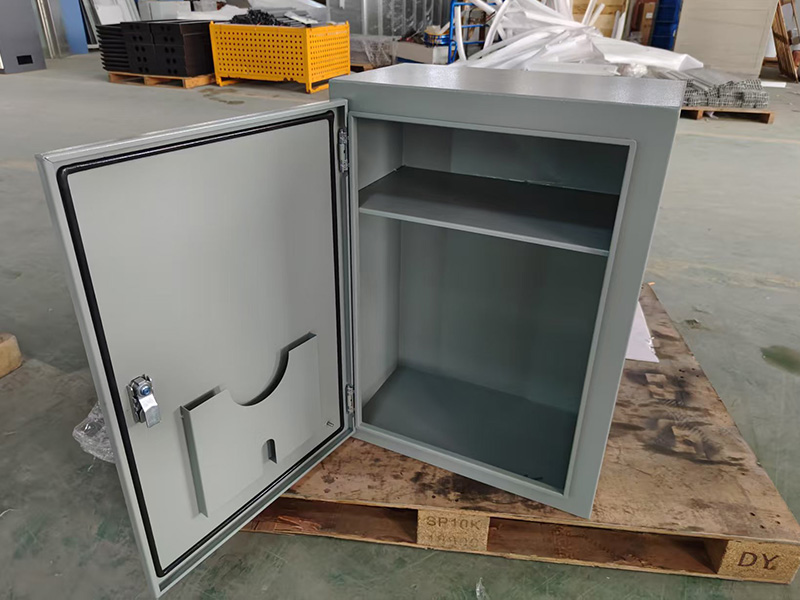
A new U.S. tariff rule is changing the game for Amazon sellers. On April 2, 2026, the White House signed a new order on steel, aluminum, and copper im...
Sep 21,2026 / Industry news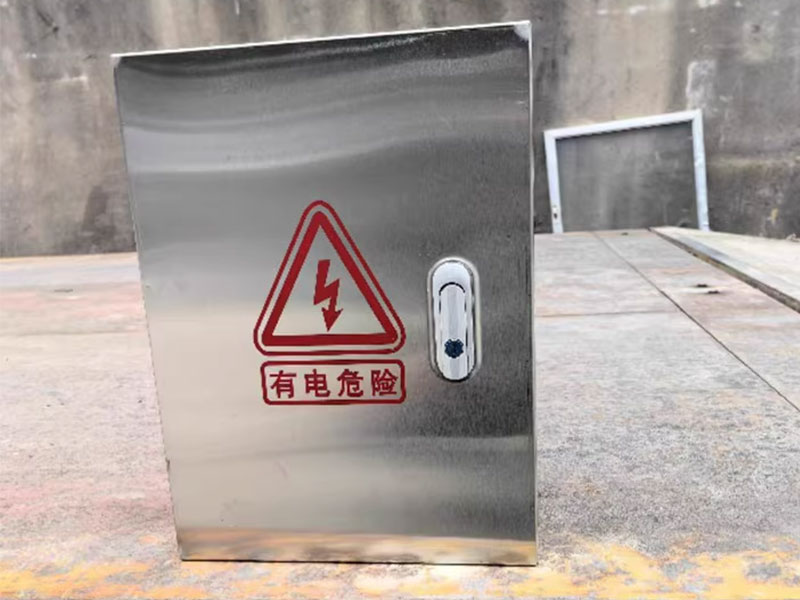
The outdoor micro data center enclosure market is growing very fast. It will grow from $1.68 billion in 2025 to $2.01 billion in 2026. That is a 20.1 ...
Sep 20,2026 / Industry newsOnline
Provider of Complete Metal Manufacturing Solutions
+86 18939857433
1188 Jiu Ye Road, Shanghai, China
11561 N Lamar Blvd,Austin,Texas,United States of America,78753
Gyeongin-ro 56-gil 8, ,3F jjbeauty,Guro-gu,Seoul,Guro-gu,Seoul,Republic of Korea
Top
Copyright © 2025 Shinging Technology Co., Ltd.,
Power By Bontop
 English
 Spanish
 Portuguese
 Arabic
 Korean
 Japanese