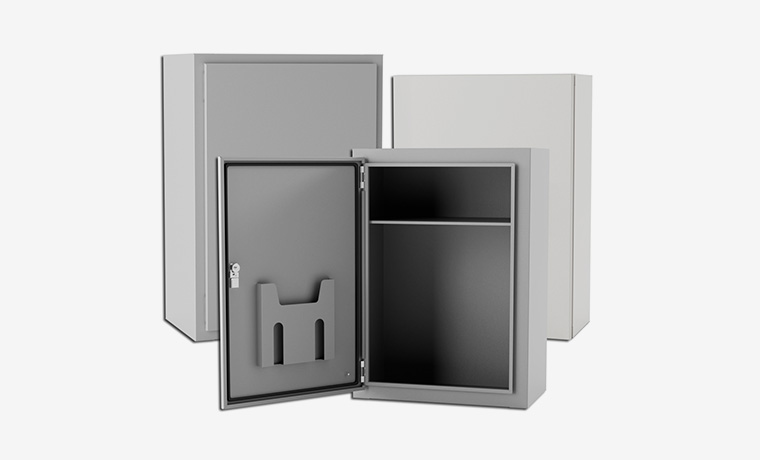
Customized according to needs, optional Material, Door & Lock etc.
Contact Us NowHome / News / Industry news
Industry news
Aug 12,2026
By:Shinging
The U.S. Federal Communications Commission (FCC) added foreign‑made power inverters to its Covered List on July 28, 2026. This decision stopped new foreign inverters from getting FCC approval. Without this approval, companies cannot import or sell these devices in the United States.
This change is not small. It is a big shift for the U.S. energy supply chain. It also affects everyone who makes, buys, or designs metal electronic enclosures.
Why Did the U.S. Ban Foreign Inverters?
The U.S. government gave two main reasons for this ban. First, the U.S. depends too much on foreign inverter production. That creates a supply chain problem. Second, modern inverters have remote communication features. These features include Wi‑Fi, cellular, and Bluetooth connections. Officials worry that foreign actors could use these features to attack the U.S. power grid. That is a cybersecurity risk.
The ban came after a National Security Determination from a White House group. The FCC then used the Secure and Trusted Communications Networks Act of 2019 to take this action.
What Does the Ban Cover?
The ban applies to any power device that changes DC to AC and also AC to DC. The device must also have remote communication abilities. This rule covers microinverters, string inverters, central inverters, and hybrid inverters. The rule only affects new equipment approvals. Previously approved models can still be imported and sold. However, the FCC can cancel those existing approvals at any time.
Foreign manufacturers can ask for Conditional Approval from the Department of Defense or Department of Homeland Security. But they must share a lot of supply chain information. They also must promise to move their manufacturing to the U.S.
The U.S. Inverter Supply Problem
The U.S. does not produce enough inverters. Domestic manufacturers supply only about 7% of the U.S. solar inverter market. The other 93% comes from other countries. Chinese companies provide roughly 90% of the inverters used in U.S. utility‑scale solar projects. Nine of the world's top ten inverter suppliers are Chinese.
One analyst report says U.S. utility‑scale inverters are 90% dependent on imports. If imports face restrictions, U.S. projects will have serious supply shortages. The new rule will raise inverter prices in the U.S. in 2027. It will also delay commercial and utility projects.
How Does This Affect Metal Electronic Enclosures?
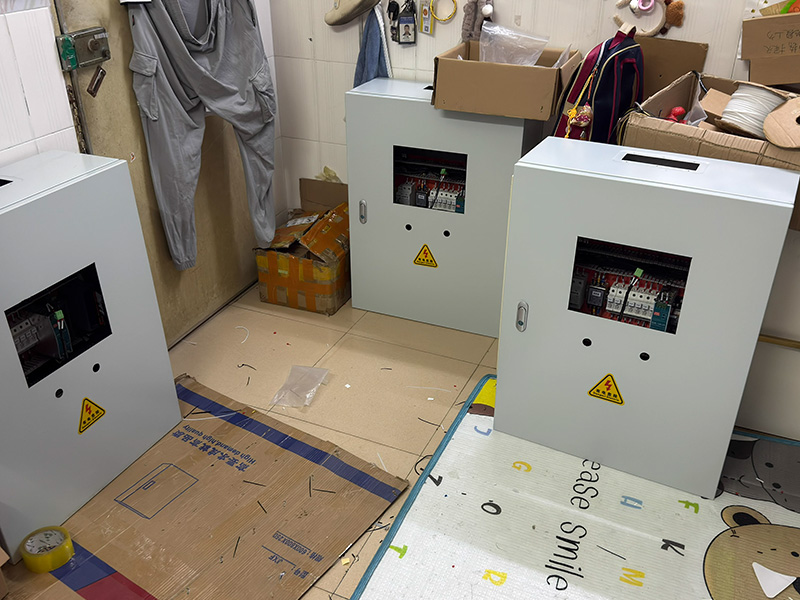
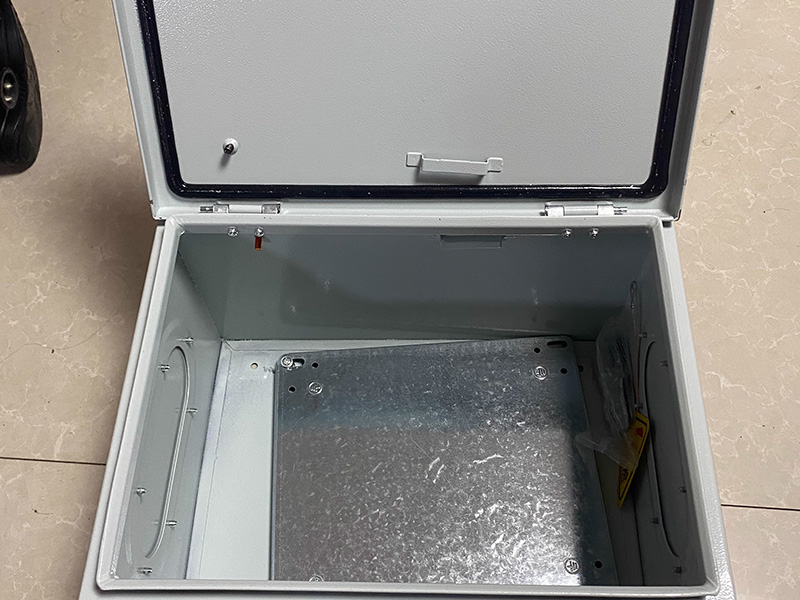
Every inverter needs a housing. That housing is usually a metal electronic enclosure. These metal electronic enclosures protect sensitive electronics from weather, dust, and physical damage. They also block electromagnetic interference and provide structural support.
When inverter supply chains change, enclosure supply chains change too.
First, demand patterns are shifting. The U.S. added 43.4 GW of utility‑scale solar in 2026. Each megawatt of solar needs up to three inverter cabinets. That means a large number of metal electronic enclosures. Now, with the ban in place, developers cannot simply import foreign inverters with their existing enclosures. They need to find new sources.
Second, production locations are moving. Chinese inverter manufacturers are exploring different options. Some may build factories in the U.S. Others may move to third countries. But the FCC rule restricts equipment based on where it is made. That makes the move‑and‑relabel strategy harder. Wherever production moves, enclosure production must follow.
Third, compliance requirements are getting stricter. Inverter manufacturers must now share supply chain details with U.S. security agencies. This includes information about their enclosure suppliers. Enclosure manufacturers must also show their own supply chain transparency.
Fourth, costs are going up. Tariffs on steel and aluminum are still in place. Electrical grid equipment made from these metals faces a 15% duty through 2027. These tariffs add to the cost of metal electronic enclosures . When we combine these tariffs with the inverter ban, total project costs increase significantly.
The Bigger Picture
The inverter ban is not a single event. It follows similar restrictions on drones and routers. It also matches polysilicon tariffs under Section 232. And it mirrors EU rules that bar Chinese inverters from publicly funded projects.
These policies together create what experts call a major reshuffle of the global inverter market. The industry is moving from a cost‑and‑performance competition to a compliance‑and‑localization game.
For metal electronic enclosure suppliers, this change means one thing. The rules have changed. Buyers are no longer just looking for the lowest price. They want reliable partners who can meet new compliance standards. They need partners who can adapt to shifting production locations. They also need partners who can deliver quality metal electronic enclosures under tighter deadlines.
Shinging Technology Co., Ltd.
Shinging Technology Co., Ltd. has 17 years of experience in metal manufacturing. We provide complete solutions based on customer needs or professional drawings. Our capabilities include stainless steel manufacturing, metal stamping, sheet metal fabrication, electrical assembly, wiring, die‑casting, and injection molding.
We design industrial‑grade metal electronic enclosures , electrical cabinets, and power distribution boxes. Our products meet strict safety requirements for commercial and industrial applications.
We understand that the inverter market is changing. We also understand that enclosure requirements are changing with it. Whether you need metal electronic enclosures for new inverter production lines in the U.S., for relocated manufacturing in third countries, or for compliance with new supply chain rules, we have the experience and the capabilities to help.
A new compliance rule is changing how buyers source metal enclosure for access control products. Starting June 30, 2026, the U.S. Department of Defens...
Sep 21,2026 / Industry news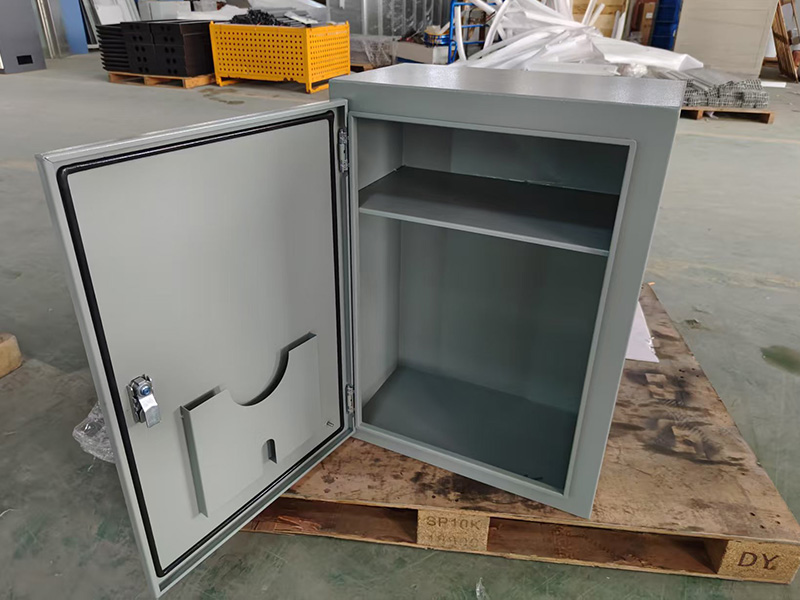
A new U.S. tariff rule is changing the game for Amazon sellers. On April 2, 2026, the White House signed a new order on steel, aluminum, and copper im...
Sep 21,2026 / Industry news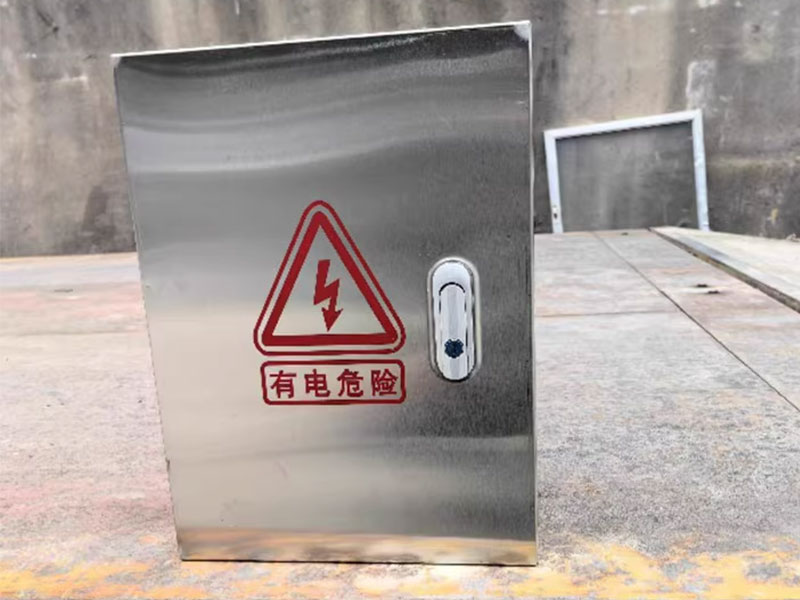
The outdoor micro data center enclosure market is growing very fast. It will grow from $1.68 billion in 2025 to $2.01 billion in 2026. That is a 20.1 ...
Sep 20,2026 / Industry newsOnline
Provider of Complete Metal Manufacturing Solutions
+86 18939857433
1188 Jiu Ye Road, Shanghai, China
11561 N Lamar Blvd,Austin,Texas,United States of America,78753
Gyeongin-ro 56-gil 8, ,3F jjbeauty,Guro-gu,Seoul,Guro-gu,Seoul,Republic of Korea
Top
Copyright © 2025 Shinging Technology Co., Ltd.,
Power By Bontop
 English
 Spanish
 Portuguese
 Arabic
 Korean
 Japanese