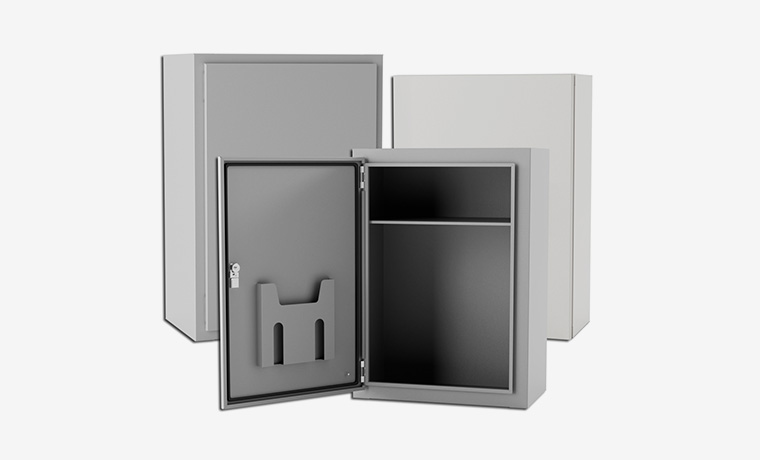
Customized according to needs, optional Material, Door & Lock etc.
Contact Us NowHome / News / Industry news
Industry news
Aug 11,2026
By:Shinging
Offshore wind substations are important. They collect power from wind turbines. They increase the voltage to send power to land. These substations face harsh conditions. Saltwater, high winds, and waves are constant threats. Equipment inside must stay protected. So the enclosure for that equipment matters a lot. Is a metal enclosure a good choice for offshore wind substations? The answer is yes. Let us look at why.
The offshore environment is tough
Offshore places are hard on equipment. Saltwater causes rust. Humidity is high. Temperatures change a lot. Strong winds and storms happen often. Equipment must work well for many years under these conditions. Maintenance is hard and costs a lot. So the enclosure must be strong and dependable.
Metal enclosures are strong
Metal enclosures are tough. They can handle physical impacts. They resist bending and breaking. This matters in rough seas. Equipment stays safe inside.
Stainless steel is a common pick. It is very strong. It does not rust easily. It lasts a long time. Grade 316 stainless steel is often used offshore. It has extra rust resistance. It handles saltwater better than Grade 304.
Rust resistance is key
Saltwater is the biggest problem. It rusts regular steel fast. Rust weakens the enclosure. It also lets water get inside. This damages the equipment.
Stainless steel resists rust from saltwater. Grade 316 has a special metal called molybdenum. This metal improves rust resistance. It is the best choice for offshore use. Aluminum is also an option. It is lighter. But it is not as strong as steel. For offshore substations, stainless steel is often the better choice.
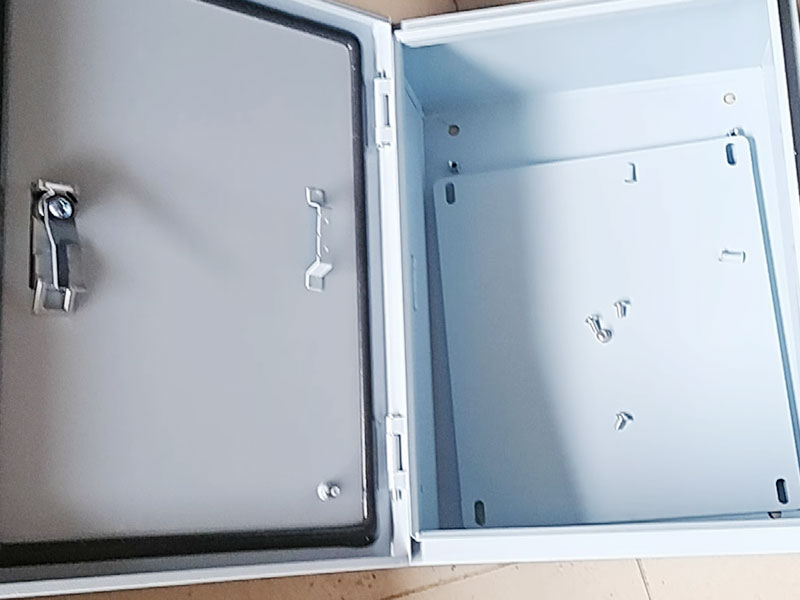
Metal enclosures protect against fire
Offshore substations have high voltages. Fires can break out. A metal enclosure holds the fire in. It does not catch fire. It stops flames from spreading. This protects nearby equipment. It also gives workers time to act.
Stainless steel does not burn. It also does not produce harmful smoke. This makes it safer.
Temperature control is important
Equipment inside the enclosure produces heat. Transformers and switchgear get warm. If heat builds up, parts break down. The enclosure must let heat out.
Metal enclosures can have vents and fans. They can also have heat sinks. These features help control temperature. Stainless steel handles heat well. It does not bend or get weak.
Protection against interference
Offshore substations have many electrical devices. These produce electromagnetic fields. These fields can disturb sensitive equipment. A metal enclosure works as a shield. It blocks the fields. This keeps signals clear and systems stable.
Sealing against water and dust
Offshore enclosures must keep water out. Rain, waves, and spray are everywhere. The enclosure must be sealed well.
Look for enclosures with high IP ratings. IP66 is common for outdoor use. It stops dust and strong water jets. IP67 is even better. It allows for short submersion. Seals around doors and cable entry points must be checked regularly.
Modular design for easier setup
Offshore installations are complex. Space is limited. Weight is a concern. Modular enclosures help. They come in sections. You can put them together on site. This makes transport and setup easier.
Metal enclosures are often modular. They are strong enough to be stacked. They also allow for future upgrades.
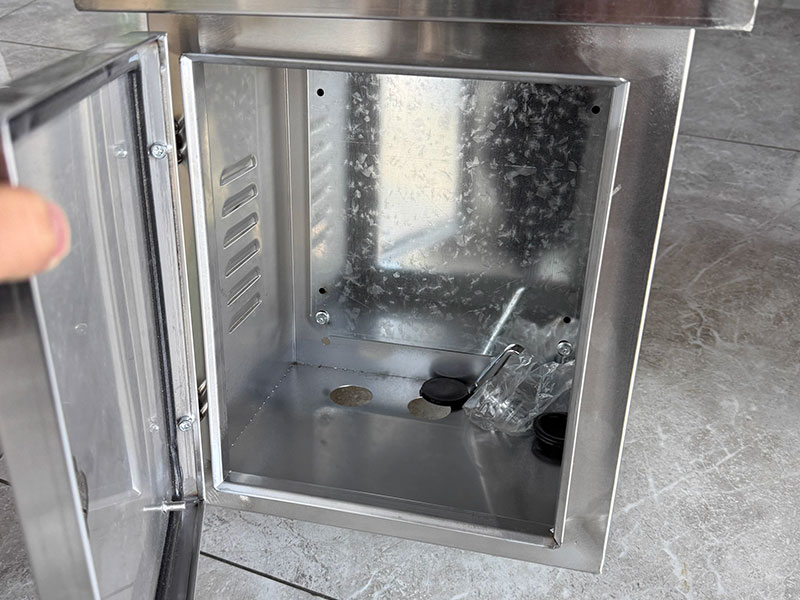
Meeting offshore rules
Offshore equipment must meet strict rules. These include IEC 61439 for switchgear. UL and CE marks are also common. A good metal enclosure meets these rules. This helps with approvals and inspections.
Why choose metal enclosures?
Metal enclosures offer many benefits. They are strong and rust‑resistant. They protect against fire and interference. They handle heat well. They keep out water and dust. They last for a long time.
For offshore wind substations, the choice is clear. Metal enclosures are a solid option. They meet the tough demands of the environment. They keep equipment safe and reliable.
Pick a manufacturer with offshore knowledge
Building enclosures for offshore use needs special know‑how. The manufacturer must understand rust protection. They must know how to seal against water. They must also meet strict standards.
Shinging Technology Co., Ltd. has 17 years of experience in metal manufacturing. They offer full solutions based on your needs or your drawings. Their services include stainless steel work, metal stamping, sheet metal fabrication, electrical assembly, wiring, die‑casting, and injection molding. This range of skills lets them build metal enclosures for offshore wind substations. They can work with Grade 316 stainless steel. They can create tight seals. They can design for temperature control. They can ensure compliance with industry rules.
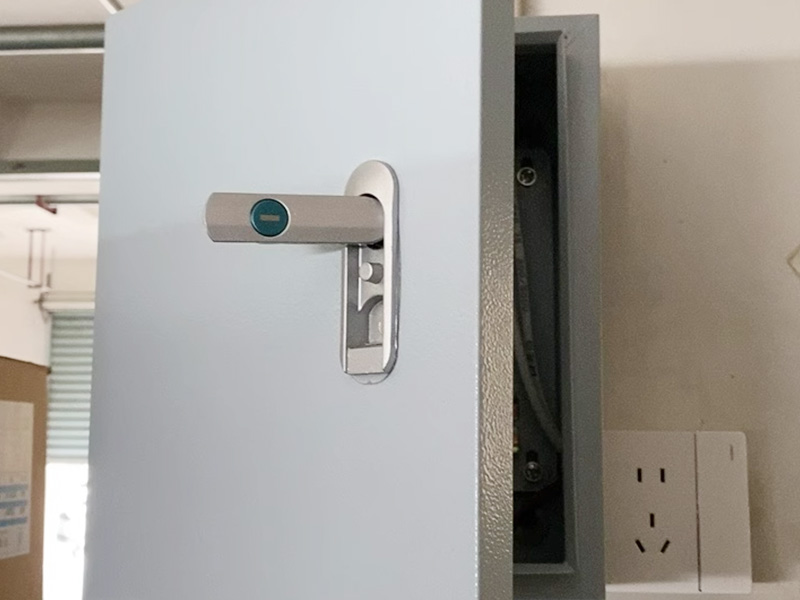
A new compliance rule is changing how buyers source metal enclosure for access control products. Starting June 30, 2026, the U.S. Department of Defens...
Sep 21,2026 / Industry news
A new U.S. tariff rule is changing the game for Amazon sellers. On April 2, 2026, the White House signed a new order on steel, aluminum, and copper im...
Sep 21,2026 / Industry news
The outdoor micro data center enclosure market is growing very fast. It will grow from $1.68 billion in 2025 to $2.01 billion in 2026. That is a 20.1 ...
Sep 20,2026 / Industry newsOnline
Provider of Complete Metal Manufacturing Solutions
+86 18939857433
1188 Jiu Ye Road, Shanghai, China
11561 N Lamar Blvd,Austin,Texas,United States of America,78753
Gyeongin-ro 56-gil 8, ,3F jjbeauty,Guro-gu,Seoul,Guro-gu,Seoul,Republic of Korea
Top
Copyright © 2025 Shinging Technology Co., Ltd.,
Power By Bontop
 English
 Spanish
 Portuguese
 Arabic
 Korean
 Japanese