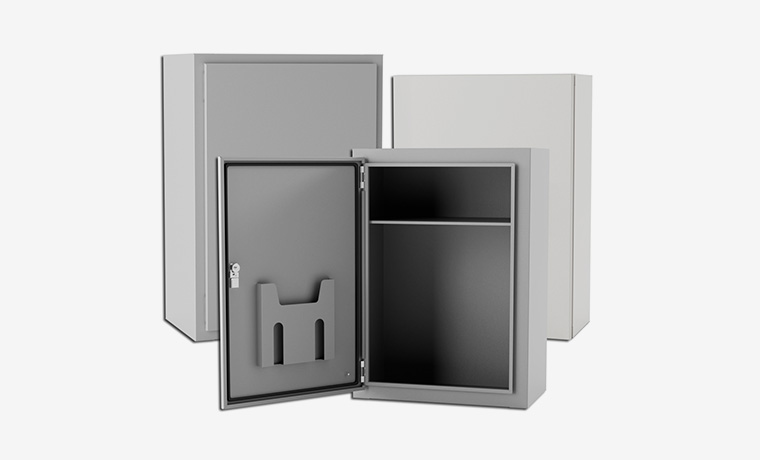
Customized according to needs, optional Material, Door & Lock etc.
Contact Us NowHome / News / Industry news
Industry news
Jul 19,2026
By:Shinging
Alarm systems need power. But power outages happen. Without backup power, your alarm stops working. That is why many alarm systems use batteries. But the enclosure must be ready for those batteries. So is your alarm system enclosure battery‑ready? Let us look at what it takes.
Batteries need space
A battery takes up room. It is not small. Most alarm systems use lead‑acid batteries. They are heavy and bulky. Some use lithium batteries. They are lighter but still need space.
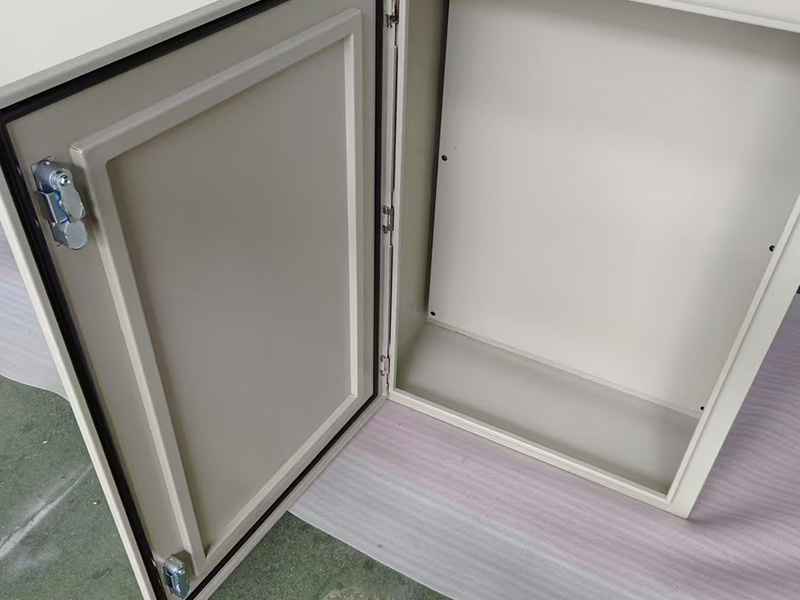
Your alarm system enclosure must have enough room inside. It must fit the battery comfortably. You should not squeeze the battery in. Tight spaces cause heat buildup. They also make maintenance hard. A good enclosure has dedicated battery compartments.
Batteries need to be secured
Batteries are heavy. They can shift during transport or vibration. A loose battery is dangerous. It can damage wires. It can short out. It can even fall and break.
Your alarm system enclosure must have mounting brackets. These brackets hold the battery in place. They should be adjustable. Different batteries have different sizes. The brackets should fit various models. Some enclosures use straps. Others use metal clamps. Both work well if they are strong.
Batteries need ventilation
Batteries release gases. Lead‑acid batteries give off hydrogen. This gas is flammable. It can explode in a sealed space. So the alarm system enclosure must have vents.
The vents let gas escape. They also allow airflow. This keeps the battery cool. Heat shortens battery life. Proper ventilation helps the battery last longer.
Some alarm system enclosures have passive vents. Others have small fans for active cooling. The right choice depends on your battery type and location.
Batteries need wiring connections
The battery must connect to the alarm system. You need wires and terminals. The alarm system enclosure must have entry points for cables. It should also have space for connectors.
Cable management is important. Wires should be neat and organized. They should not touch sharp edges. A good alarm system enclosure has cable glands. These protect the wires where they enter. They also keep dust and water out.
Terminals should be easy to access. You need to connect and disconnect the battery. This is for testing and replacement. A crowded alarm system enclosure makes this hard. A well‑designed enclosure gives you room to work.
Battery charging needs attention
The alarm system charges the battery. The charger must be inside or nearby. The alarm system enclosure should have room for the charging circuit. It should also have space for a power supply.
Heat from the charger adds to the battery heat. So thermal management is even more important. Vents and airflow help both the battery and the charger.
Safety features are important
Batteries can leak acid. They can also short circuit. Your alarm system enclosure must protect against these risks.
Stainless steel is a good material. It resists corrosion. If acid leaks, the alarm system enclosure does not rust. It also contains the leak. This prevents damage to other components.
Some enclosures have battery trays. These trays catch any spilled acid. They make cleanup safer and easier.
Weather protection for outdoor enclosures
Many alarm systems are outdoors. Rain and snow can get inside. The alarm system enclosure must be weatherproof.
Look for a high IP rating. IP66 is common. It stops dust and strong water jets. IP67 is better for wet areas. The seals around doors and cable entries must be tight. This keeps moisture away from the battery and electronics.
Easy access for maintenance
Batteries need regular checks. You need to test voltage. You need to clean terminals. You need to replace old batteries.
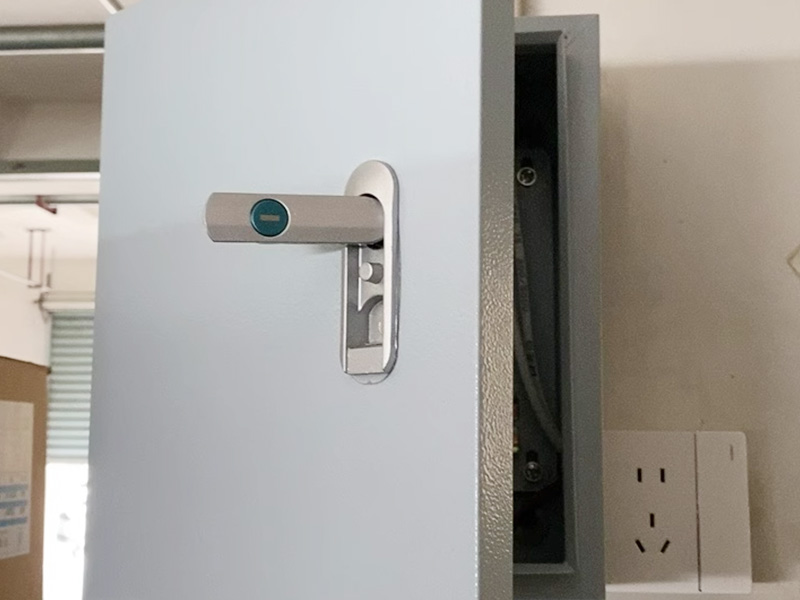
The enclosure door must open wide. It should not block access. The battery should be visible and reachable. Hinges and locks should be reliable. They must work even after years of use.
The manufacturer's role in battery‑ready design
Building a battery‑ready enclosure requires skill. The maker must understand battery needs. They must design for space, airflow, and safety.
Shinging Technology Co., Ltd. has 17 years of experience in metal manufacturing. They provide complete solutions based on customer needs or professional drawings. Their services include stainless steel manufacturing, metal stamping, sheet metal fabrication, electrical assembly, wiring, die‑casting, and injection molding.
This wide expertise lets them build alarm system enclosures that are truly battery‑ready. They add proper mounting brackets. They install vents and cable glands. They design compartments that fit standard batteries. Their electrical assembly skills ensure safe wiring connections. With Shinging Technology, you get an enclosure that supports reliable backup power. Your alarm stays on even when the grid goes down.
A new compliance rule is changing how buyers source metal enclosure for access control products. Starting June 30, 2026, the U.S. Department of Defens...
Sep 21,2026 / Industry news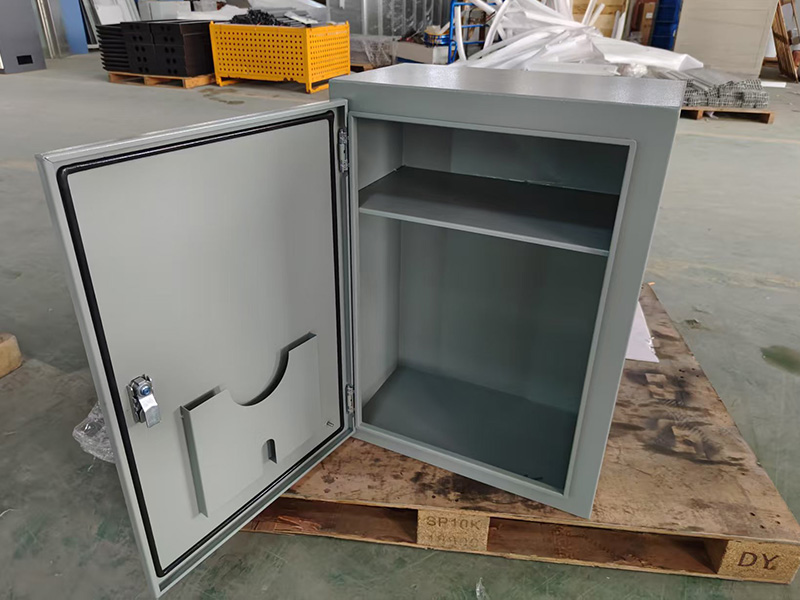
A new U.S. tariff rule is changing the game for Amazon sellers. On April 2, 2026, the White House signed a new order on steel, aluminum, and copper im...
Sep 21,2026 / Industry news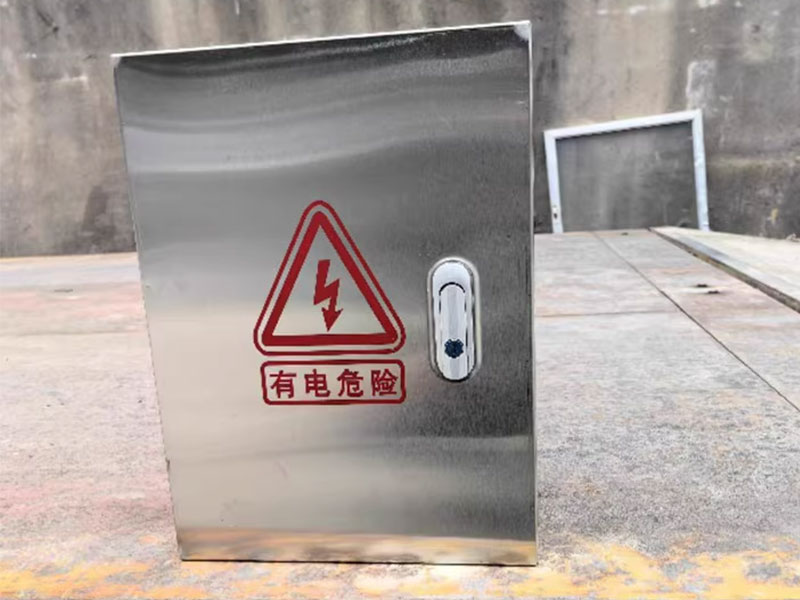
The outdoor micro data center enclosure market is growing very fast. It will grow from $1.68 billion in 2025 to $2.01 billion in 2026. That is a 20.1 ...
Sep 20,2026 / Industry newsOnline
Provider of Complete Metal Manufacturing Solutions
+86 18939857433
1188 Jiu Ye Road, Shanghai, China
11561 N Lamar Blvd,Austin,Texas,United States of America,78753
Gyeongin-ro 56-gil 8, ,3F jjbeauty,Guro-gu,Seoul,Guro-gu,Seoul,Republic of Korea
Top
Copyright © 2025 Shinging Technology Co., Ltd.,
Power By Bontop
 English
 Spanish
 Portuguese
 Arabic
 Korean
 Japanese