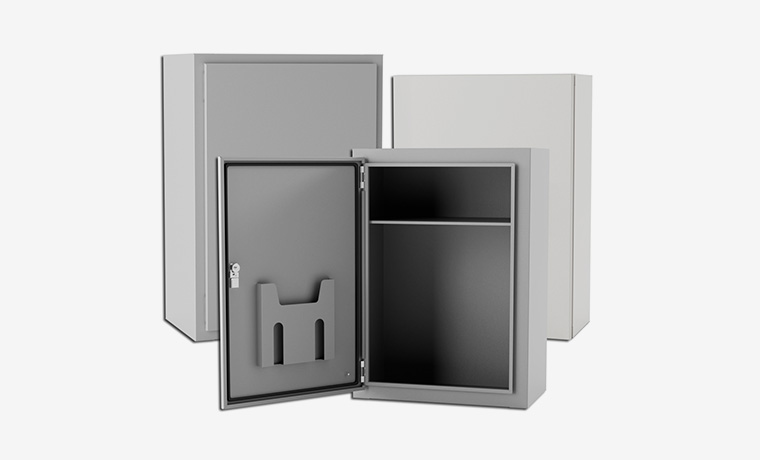
Customized according to needs, optional Material, Door & Lock etc.
Contact Us NowHome / News / Industry news
Industry news
Jul 19,2026
By:Shinging
Interference is a real problem for security systems. Interference comes from many places. Motors create interference. Radio transmitters create interference. Power lines and lightning also create interference. Mobile phones and Wi‑Fi routers create it too. This interference can affect your security panel. It can cause false alarms. It can make the panel miss real events. It can even damage sensitive electronics.
So your security panel cabinet enclosure must protect against interference. But is your enclosure protected? Let us look at what this protection means and how it works.
What is interference and why does it matter?
Interference is unwanted electrical noise. It travels through the air or through wires. When it reaches your security panel, it disturbs the signals inside. The panel may read a signal wrong. It may set off an alarm for no reason. Or it may not set off an alarm when there is a real danger.
In a security system, reliability is everything. A false alarm costs time and money. A missed alarm puts people and property at risk. A protected enclosure stops these problems.
How does a protected enclosure work?
A protected enclosure acts like a metal shield. It blocks outside electrical noise. The metal shell reflects or absorbs the noise. It keeps the noise outside. It also keeps internal signals from leaking out.
For the shield to work, the metal must be continuous. There should be no gaps or holes. Even a small opening can let noise in.
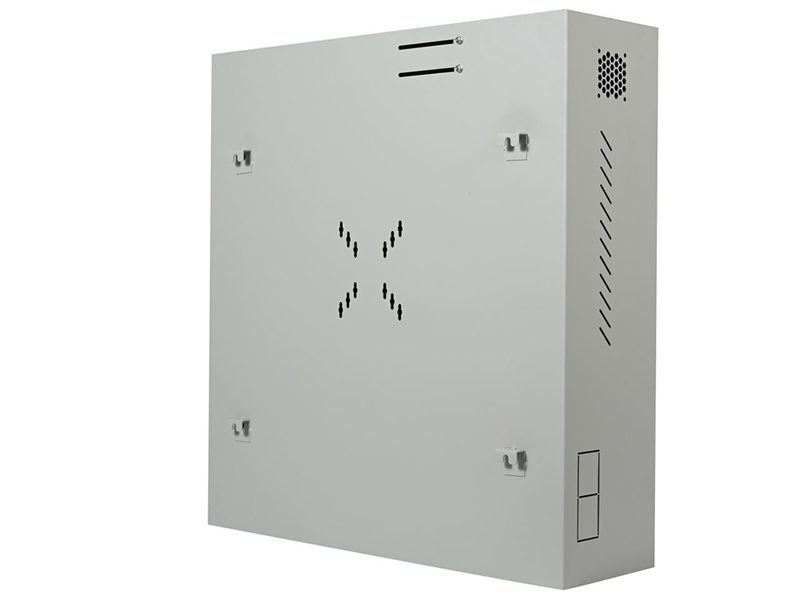
The material must carry electricity
The enclosure must be made of a material that carries electricity. Metals carry electricity. Stainless steel is a good choice. It is strong and it does not rust. It also carries electricity well. Grade 304 stainless steel works for most uses.
Aluminum also carries electricity and is lighter. But stainless steel is stronger. For security panels, stainless steel is often the better choice.
Thickness of the metal matters
Thicker metal blocks noise better. Thin metal may not give enough protection. A thicker enclosure also resists bumps and hits. The right thickness depends on the type of noise.
Design features for good protection
An enclosure is not just a metal box. It has doors, vents, and cable holes. Each of these can be a weak point.
Door seals are very important
The door must touch the frame so electricity can flow. If there is a gap, noise can get in. Many cabinets use special seals. These seals are made of metal mesh or rubber with metal bits. They close the gap and keep the shield working.
Vents need protection too
If the enclosure needs airflow, the vents must be protected. Some vents use honeycomb metal grids. These grids let air through but stop noise. They work well and are common.
Cable holes must be sealed
Cables bring signals in and out. They can also bring noise if not handled properly. Use shielded cables and metal fittings. The fittings should be metal and they should fit tightly. This stops noise from traveling along the cable into the box.
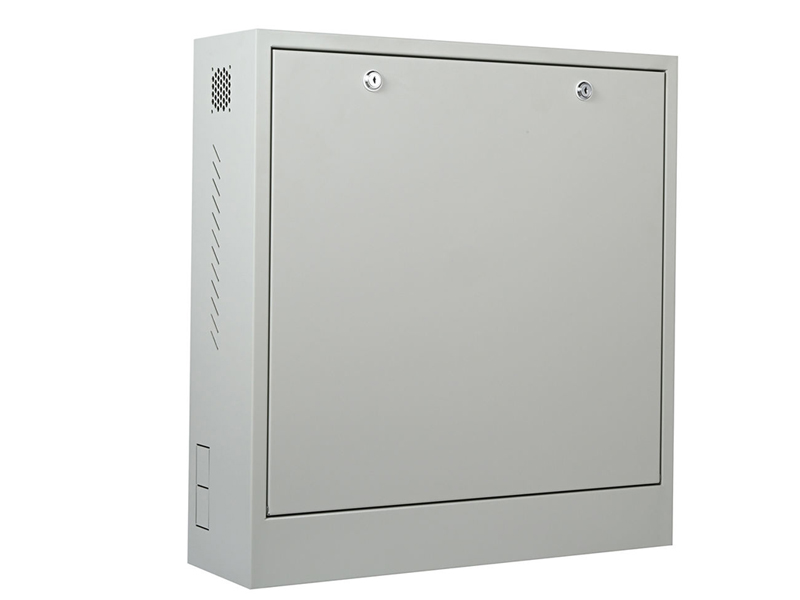
Welds and joints matter
Good protection requires unbroken metal contact. Bolted panels may have small gaps. Welded seams are better. They create a solid, unbroken metal surface. This is the best way to block interference.
Connecting to the ground is necessary
The enclosure must be connected to the ground. A ground connection drains away any noise that hits the enclosure. Without grounding, the shield does not work well. The ground wire should be thick and attached firmly.
Standards help you check protection
There are standards for this kind of protection. In Europe, there are rules for immunity. In the US, there are rules for emissions. Some enclosures are tested to these standards. Ask your manufacturer if they offer tested products.
The manufacturer must know how to build protection
Building a protected enclosure takes skill. The manufacturer must pick the right materials. They must design for unbroken contact. They must weld seams properly. They must install seals and fittings carefully.
Shinging Technology Co., Ltd. has 17 years of experience in metal manufacturing. They provide complete solutions based on your needs or your drawings. Their capabilities include stainless steel manufacturing, metal stamping, sheet metal fabrication, electrical assembly, wiring, die‑casting, and injection molding. This wide range of skills lets them build security panel cabinet enclosures with reliable interference protection. They can use thick stainless steel. They can weld seams for unbroken contact. They can install conductive seals and metal cable fittings. They can ensure proper grounding.
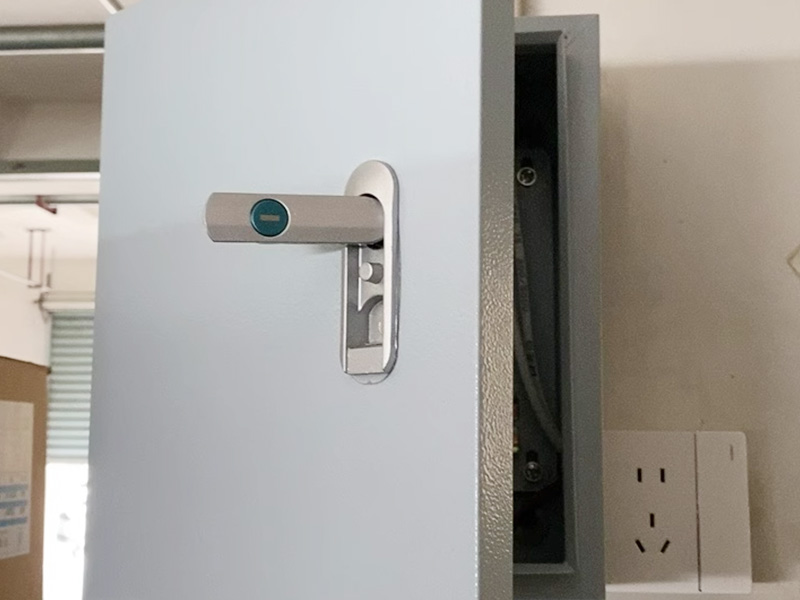
A new compliance rule is changing how buyers source metal enclosure for access control products. Starting June 30, 2026, the U.S. Department of Defens...
Sep 21,2026 / Industry news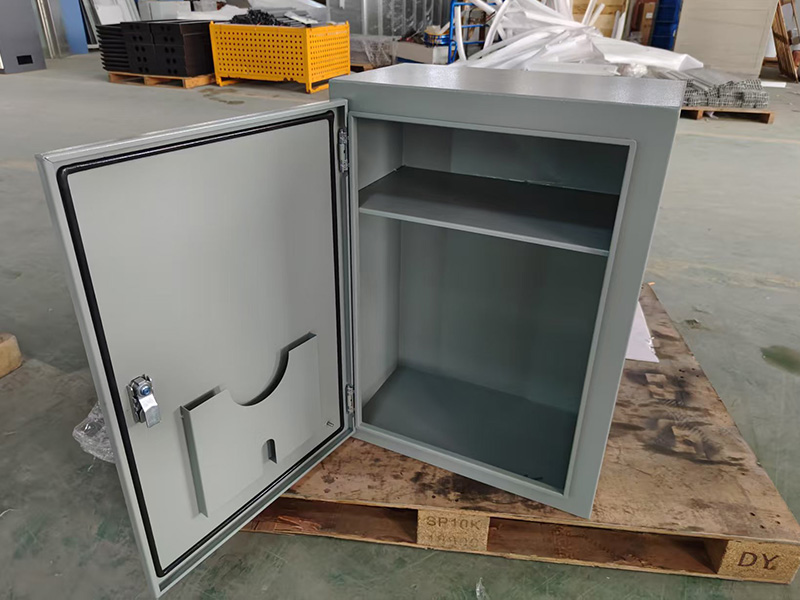
A new U.S. tariff rule is changing the game for Amazon sellers. On April 2, 2026, the White House signed a new order on steel, aluminum, and copper im...
Sep 21,2026 / Industry news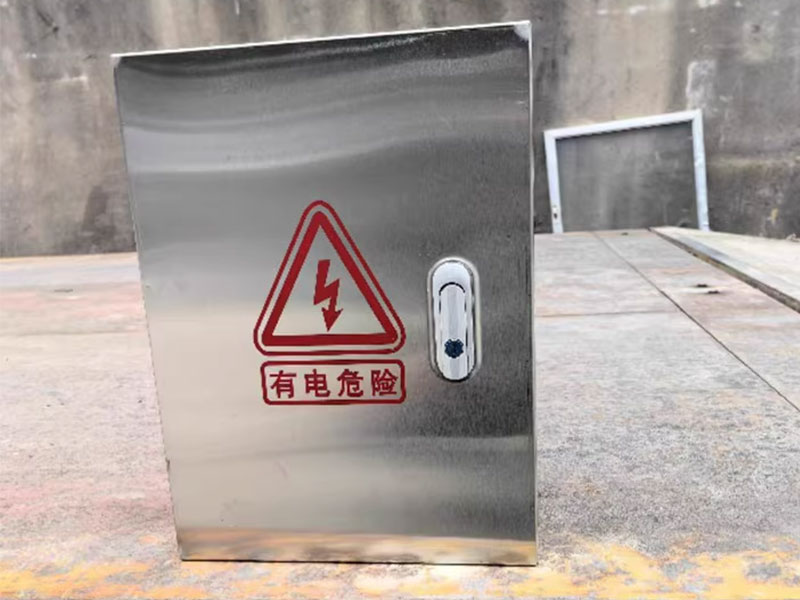
The outdoor micro data center enclosure market is growing very fast. It will grow from $1.68 billion in 2025 to $2.01 billion in 2026. That is a 20.1 ...
Sep 20,2026 / Industry newsOnline
Provider of Complete Metal Manufacturing Solutions
+86 18939857433
1188 Jiu Ye Road, Shanghai, China
11561 N Lamar Blvd,Austin,Texas,United States of America,78753
Gyeongin-ro 56-gil 8, ,3F jjbeauty,Guro-gu,Seoul,Guro-gu,Seoul,Republic of Korea
Top
Copyright © 2025 Shinging Technology Co., Ltd.,
Power By Bontop
 English
 Spanish
 Portuguese
 Arabic
 Korean
 Japanese